
Van Gogh Alive
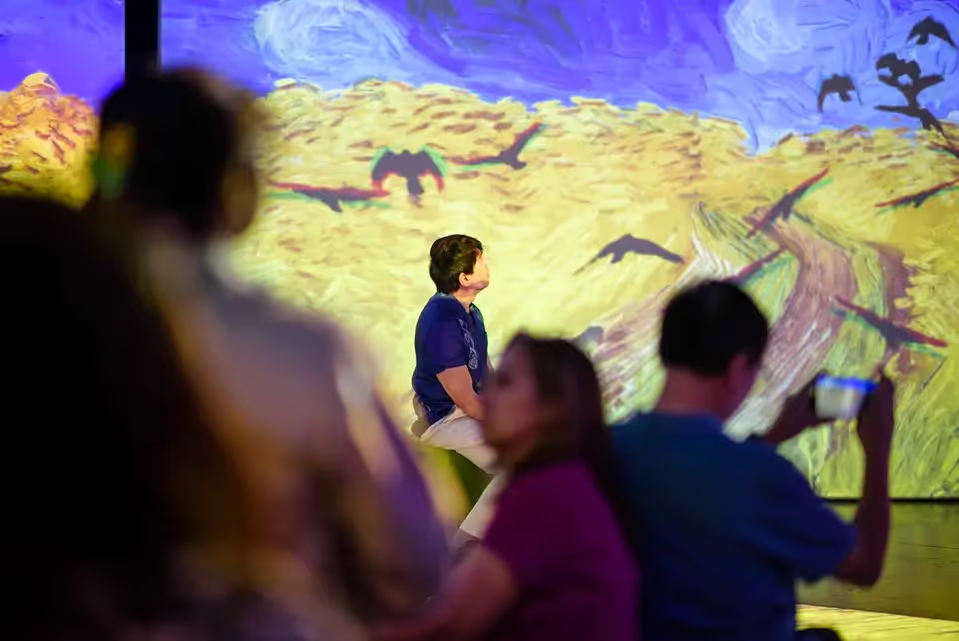
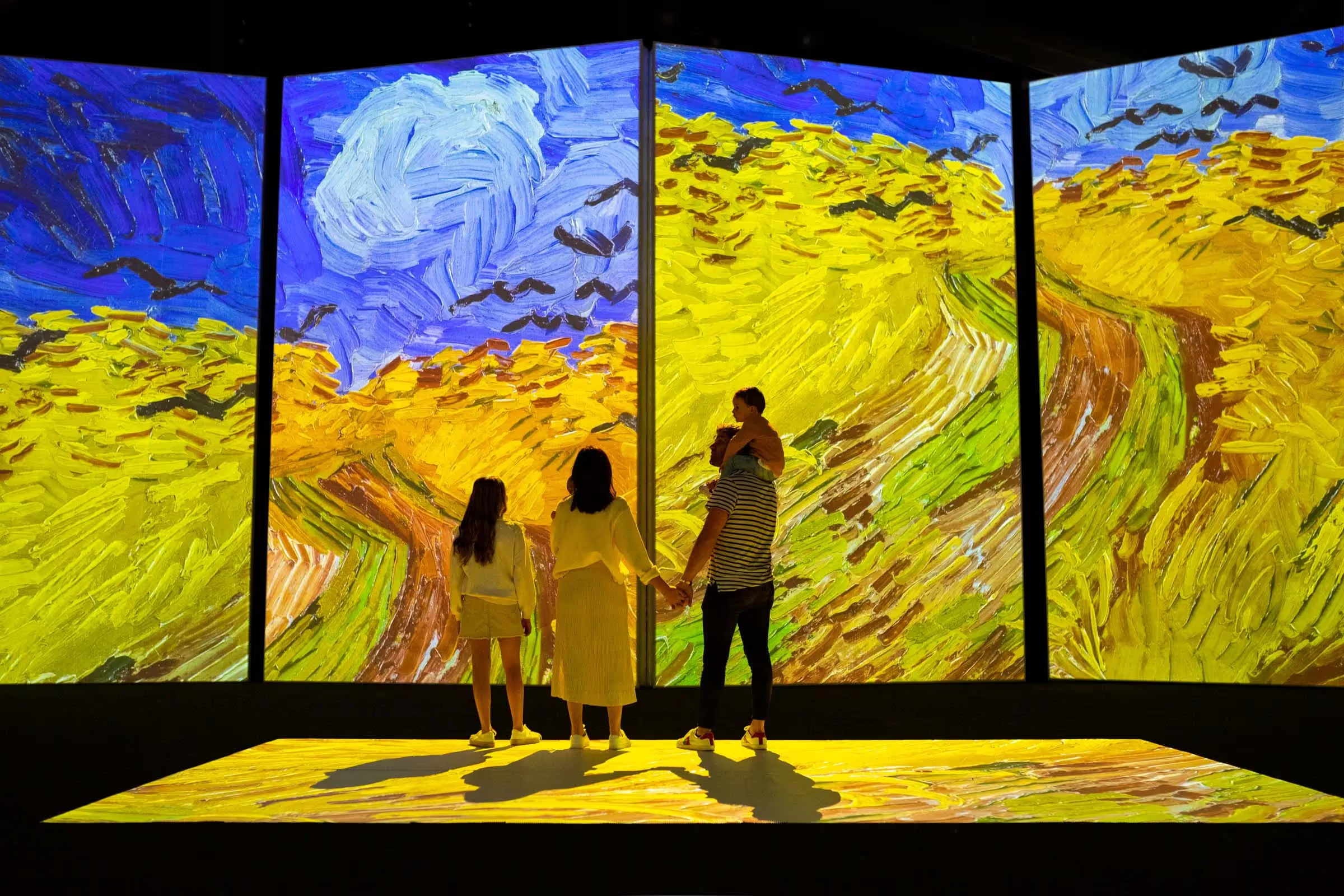
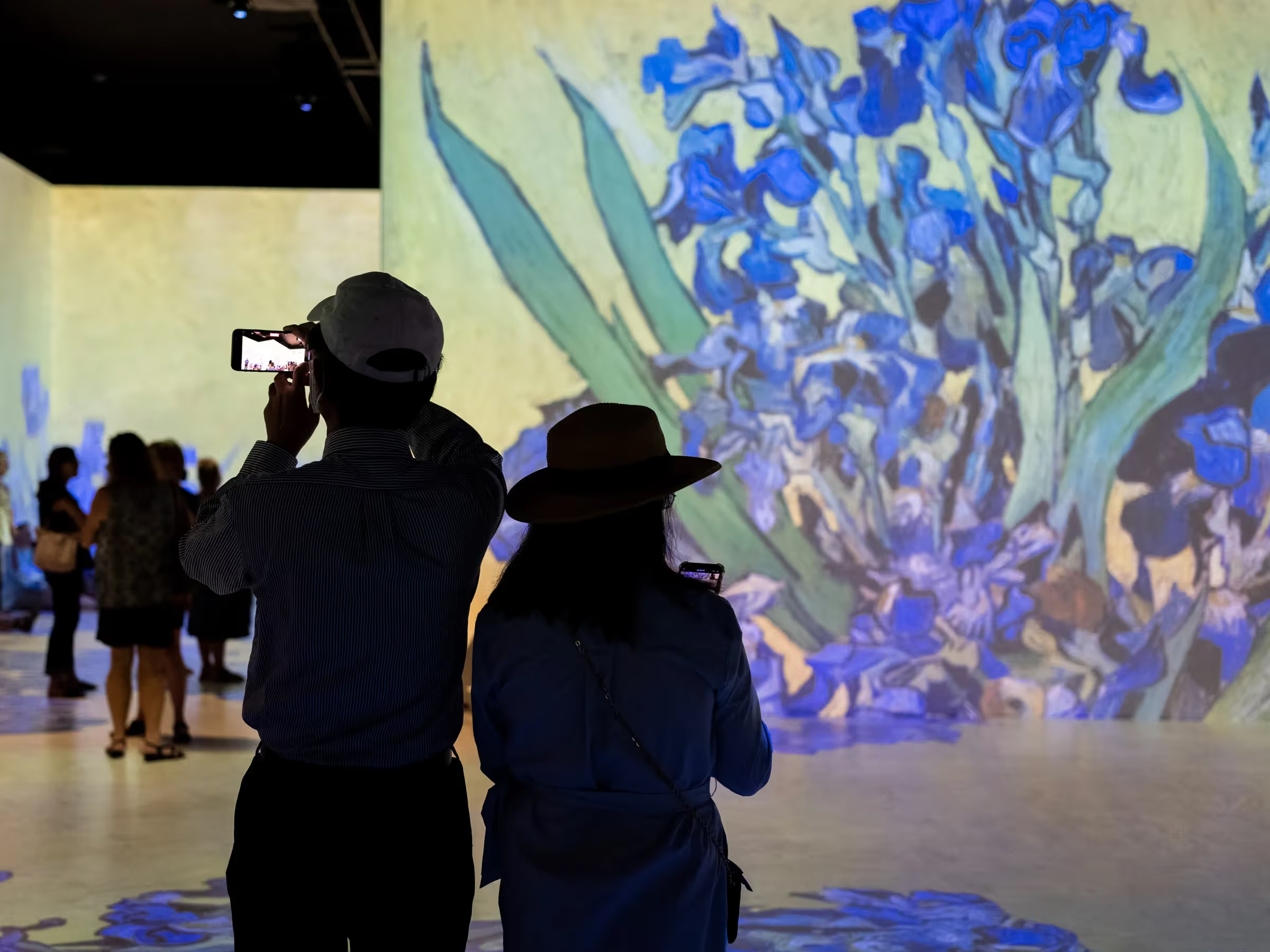
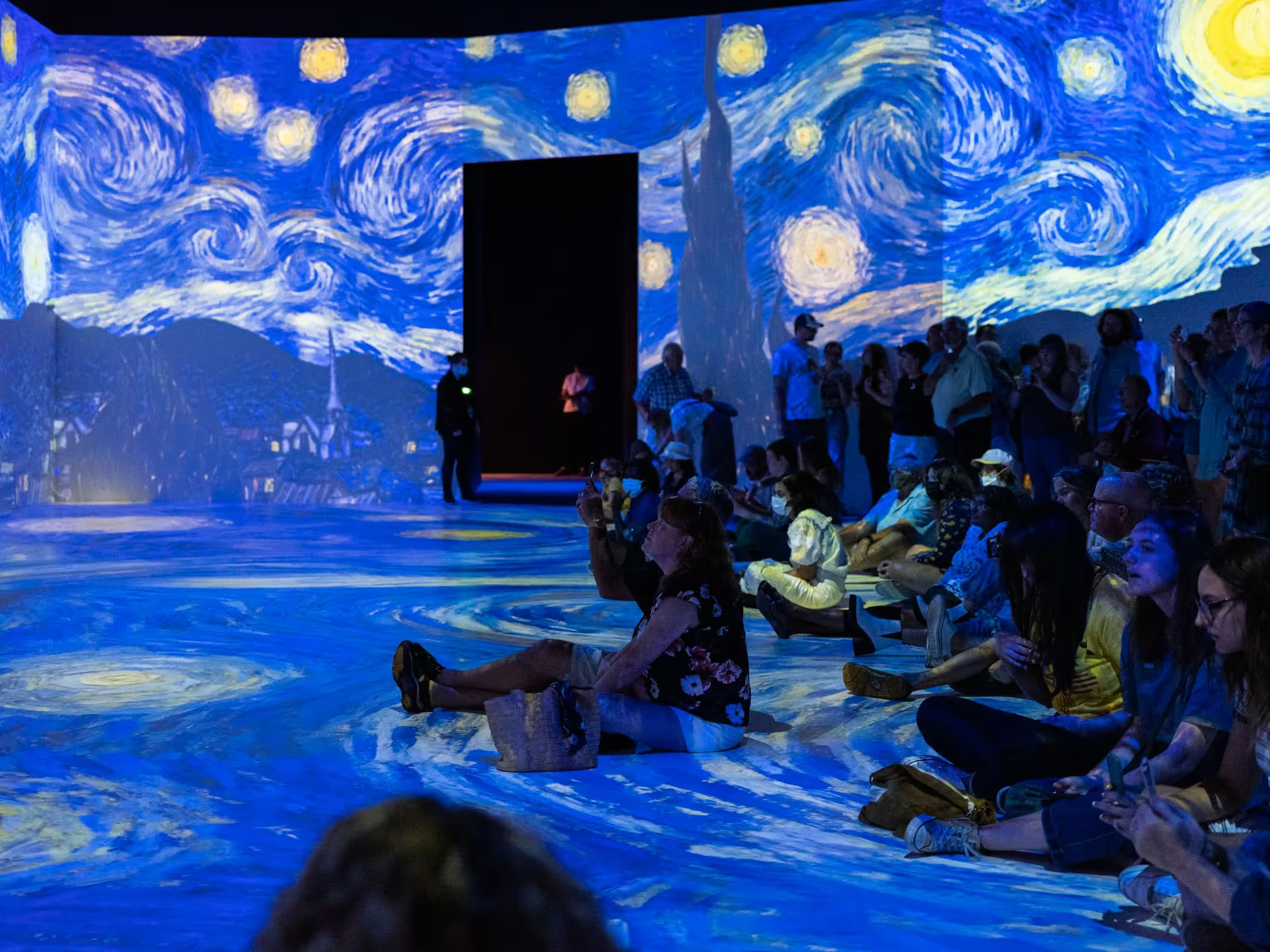
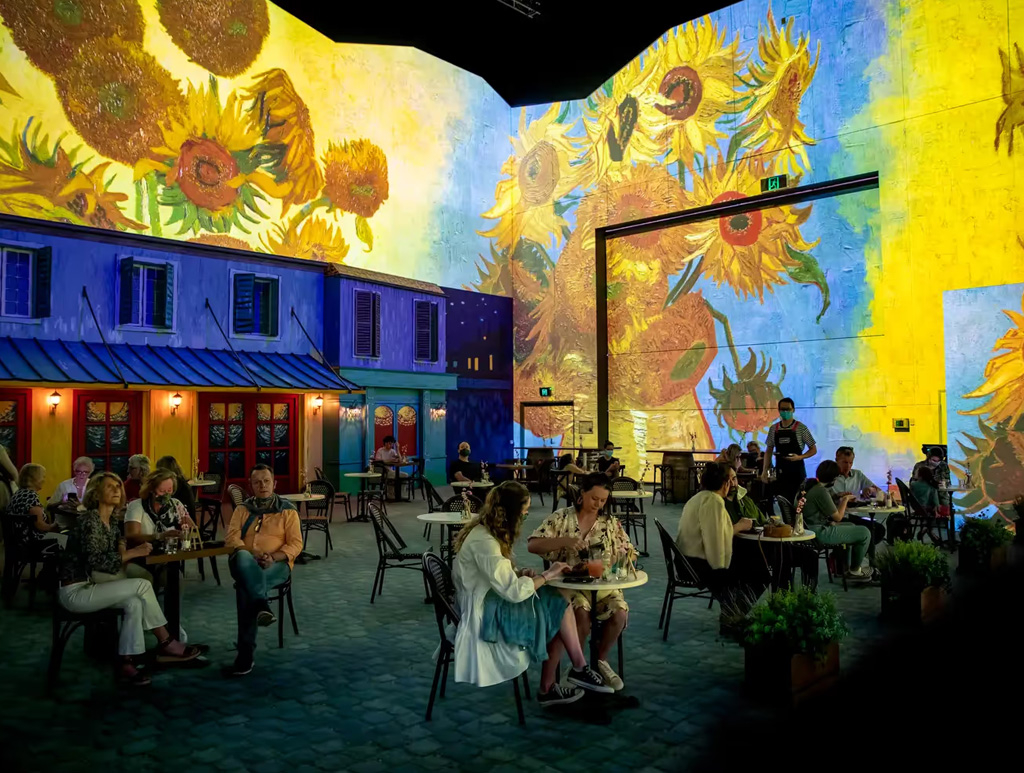
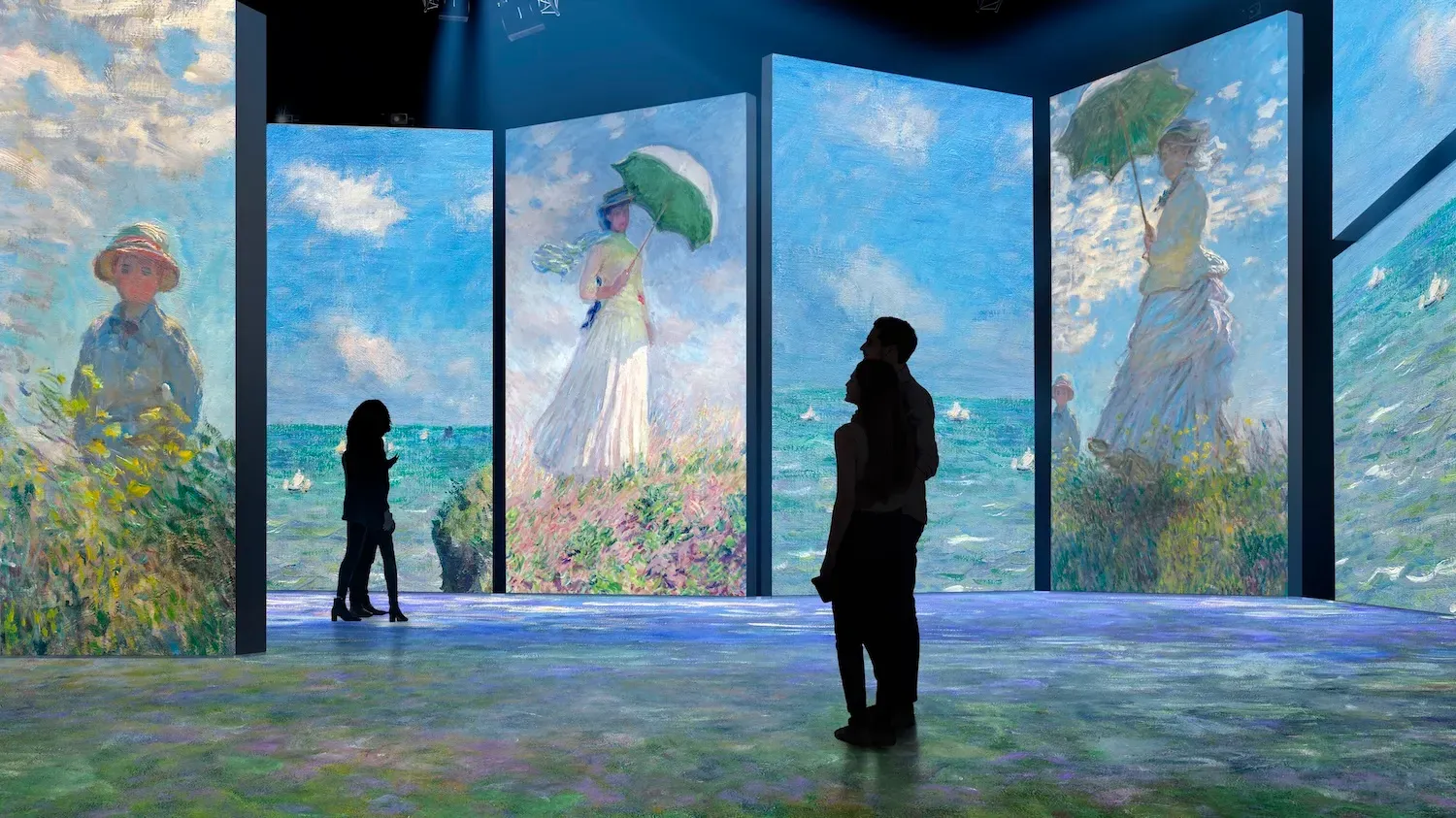
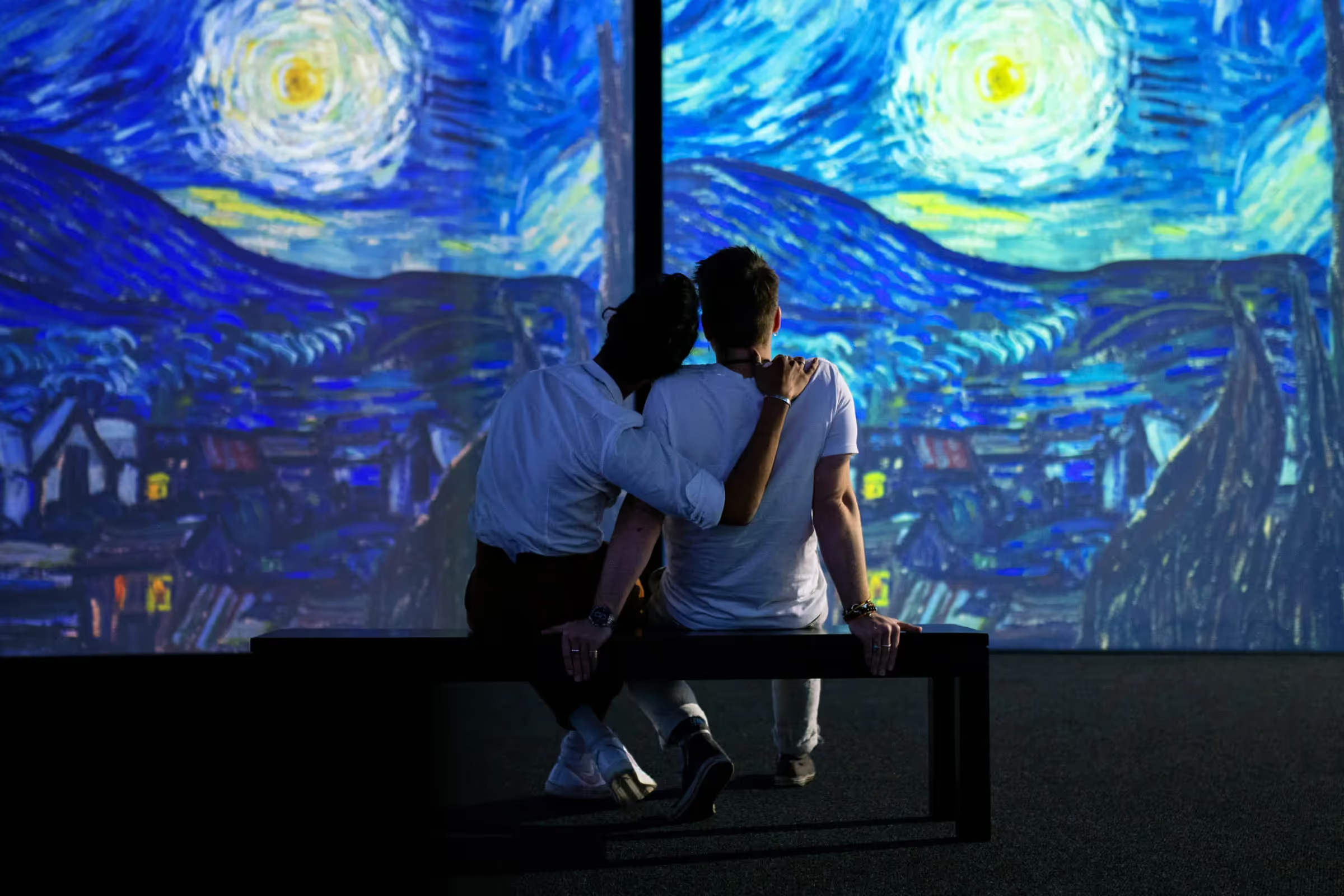
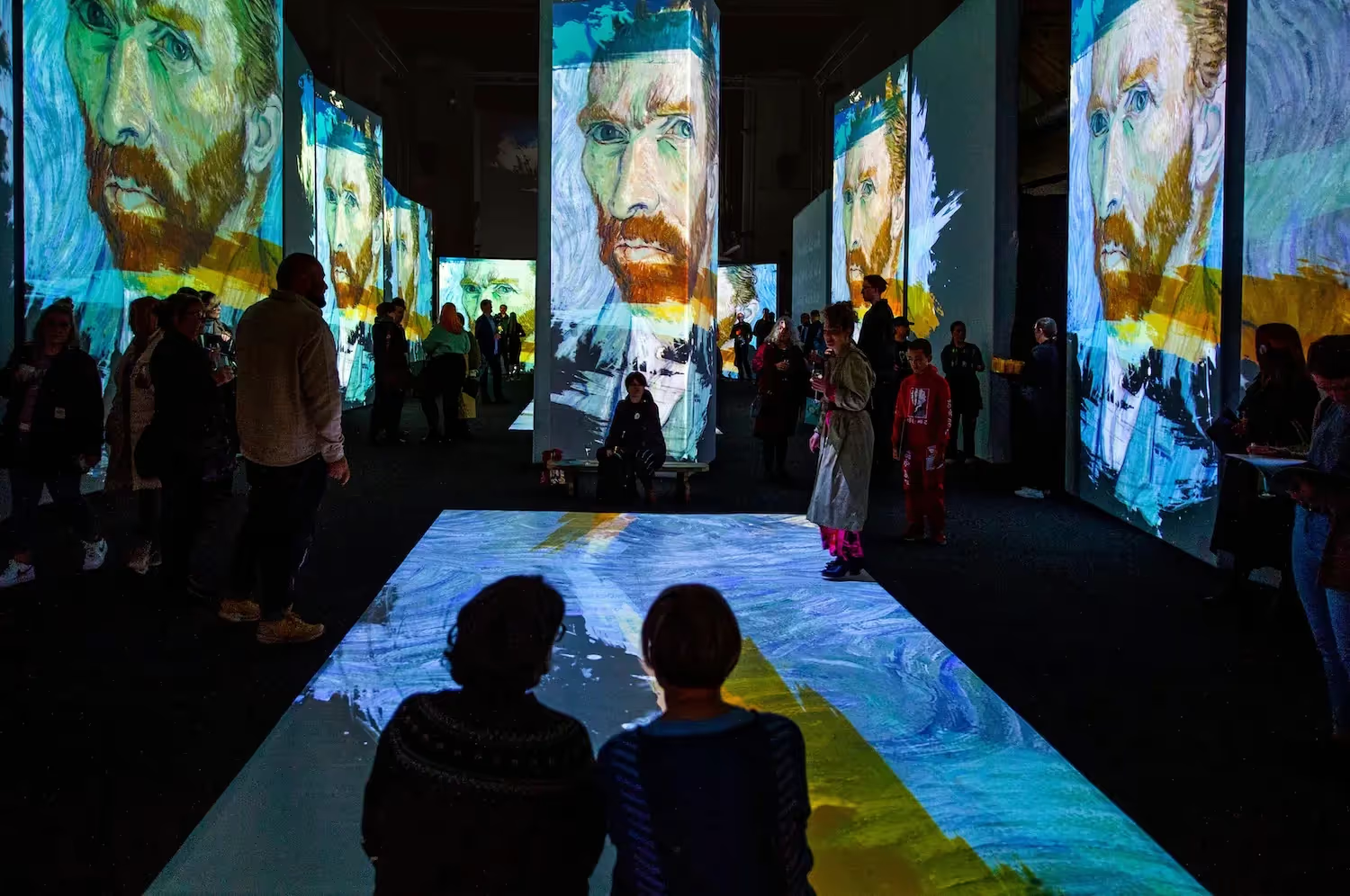
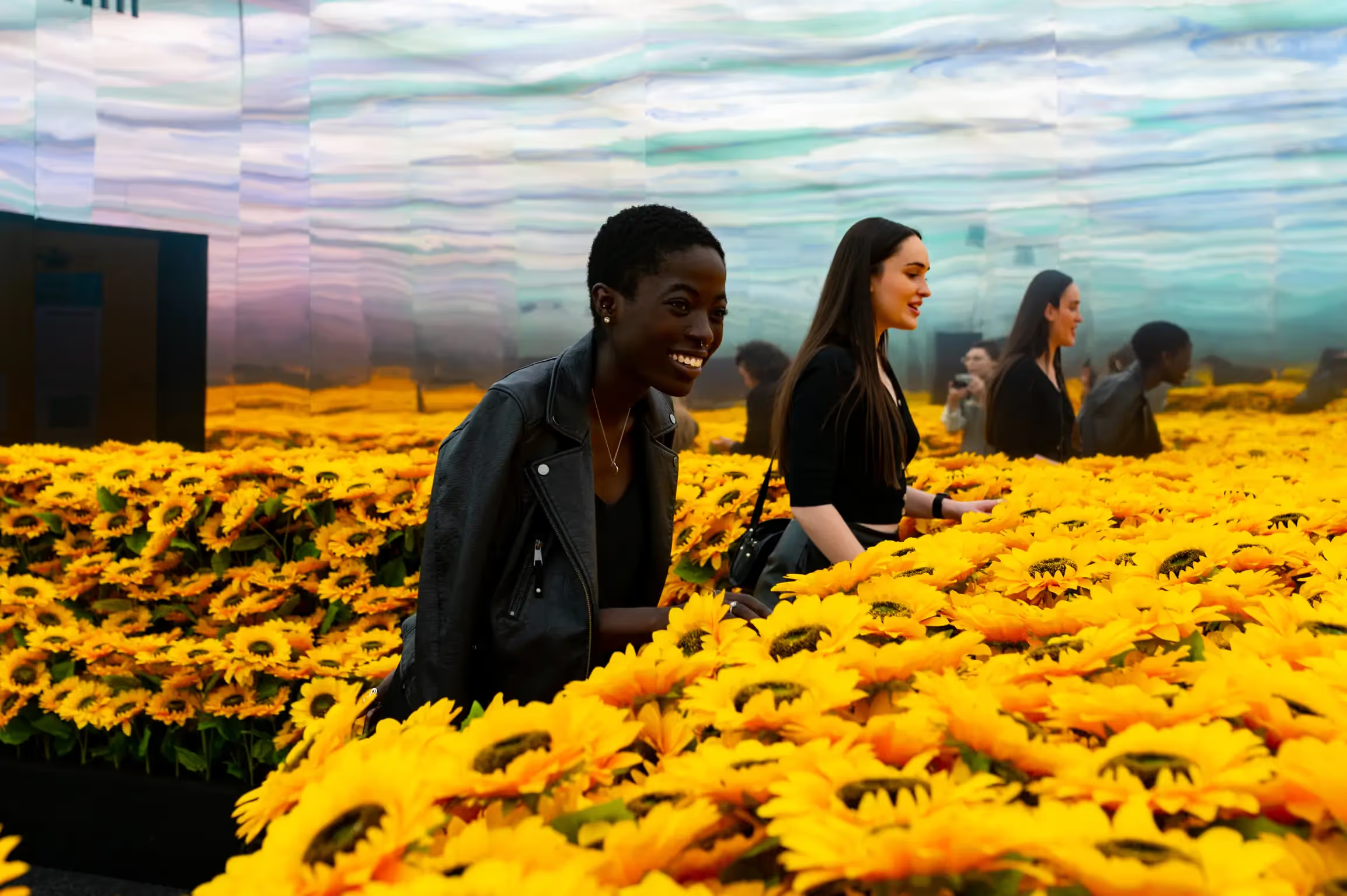
Working alongside two senior motion designers, we divided the show into chapters, each crafting bespoke animation and effects that transformed Van Gogh's paintings into a large-scale, multi-sensory environment. Designing at this scale required a fundamentally different creative approach: thinking spatially and atmospherically, well beyond conventional motion design.
The production also demanded significant technical problem-solving. Each venue deployment runs between 36 and 56 projection channels depending on scale, and the show has been configured for spaces as varied as deconsecrated 17th-century churches, historic exchanges, purpose-built event centers, and museum floors, requiring the production pipeline to be rebuilt and recalibrated for each site without compromising the integrity of the experience.
The production also demanded significant technical problem-solving. Each venue deployment runs between 36 and 56 projection channels depending on scale, and the show has been configured for spaces as varied as deconsecrated 17th-century churches, historic exchanges, purpose-built event centers, and museum floors, requiring the production pipeline to be rebuilt and recalibrated for each site without compromising the integrity of the experience.
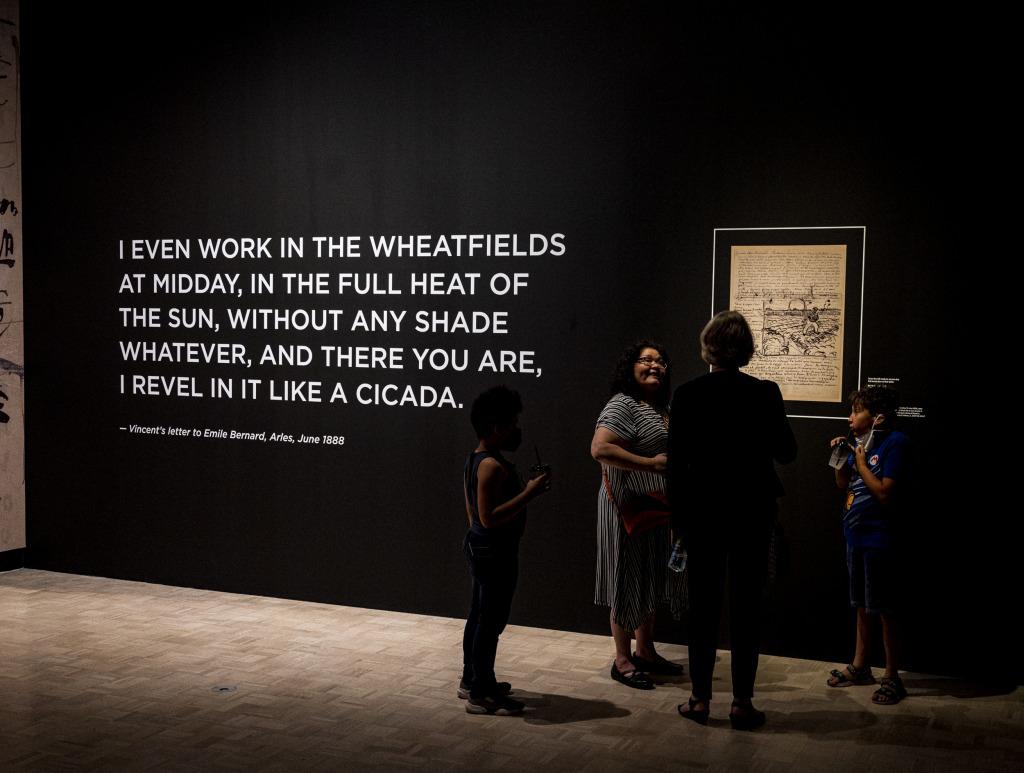
As Senior Creative Lead, I worked on the creative development of Van Gogh Alive, the world's most visited immersive art experience, with over nine million visitors across 100+ cities globally. The production explores Van Gogh's most prolific decade, 1880 to 1890, interpreting his thoughts, emotions, and creative process across his time in Arles, Saint-Rémy, and Auvers-sur-Oise, the years that produced many of his most iconic masterworks.
The exhibition toured to major cultural institutions across the United States, including a landmark residency at The Biltmore Estate in Asheville, North Carolina as part of the Legends of Art & Innovation series, and a return-by-popular-demand run at The LUME within the Indianapolis Museum of Art at Newfields, one of the country's leading art and nature campuses, where it occupied 30,000 square feet across a dedicated floor of the museum.
The exhibition toured to major cultural institutions across the United States, including a landmark residency at The Biltmore Estate in Asheville, North Carolina as part of the Legends of Art & Innovation series, and a return-by-popular-demand run at The LUME within the Indianapolis Museum of Art at Newfields, one of the country's leading art and nature campuses, where it occupied 30,000 square feet across a dedicated floor of the museum.
2020
Creative Direction
Art Direction
Permanent Installation
Touring
Motion
Digital
Signage
Environmental
Creative Direction
Art Direction
Permanent Installation
Touring
Motion
Digital
Signage
Environmental





Credits:
Senior Creative Lead: Joel Orlandini
Head of Creative: Gary Moyhayain
Head of Production and Technology: Craig Smith
Senior Motion Designer: Dan Buckland
Senior Motion Designer: Rose Staff
Graphic Designer: Eva Lanev
Senior Creative Lead: Joel Orlandini
Head of Creative: Gary Moyhayain
Head of Production and Technology: Craig Smith
Senior Motion Designer: Dan Buckland
Senior Motion Designer: Rose Staff
Graphic Designer: Eva Lanev